Despite spending six days in Seoul, I managed relatively little sightseeing – the start of my trip was marred by poor health, and the second half was largely devoted to the climbing world championships. Also conspiring against me was the sheer scale of the city – although my accommodation choices were convenient for the Olympic park, it was at least an hour’s travel to the major tourist attractions. Looking back, given that I split my stay across two hotels anyway, it would have been better – budget permitting! – to start in Myeong-dong.
Nonetheless, I was able to get some sense of the Korean capital from both exploring locally in Gangnam and a couple of trips further out. What struck me most was the contrasts between, and intermingling of, old and new: a park surrounded by modern skyscrapers could shelter an ancient tomb or shrine; temples rubbed shoulders with shopping malls; an eight lane road runs past the palace complex. I also hadn’t appreciated the geography – whilst I knew of the mountainous backdrop (having hoped to tackle a hike in Bukhansan National Park), I hadn’t realised how hilly the area is in general. Seoul is also a very vertical city in another sense, with endless high-rise buildings plus underground networks of shops and restaurants.
Here, then, is what I managed to fit in.
Seolleung and Jeongneung Royal Tombs

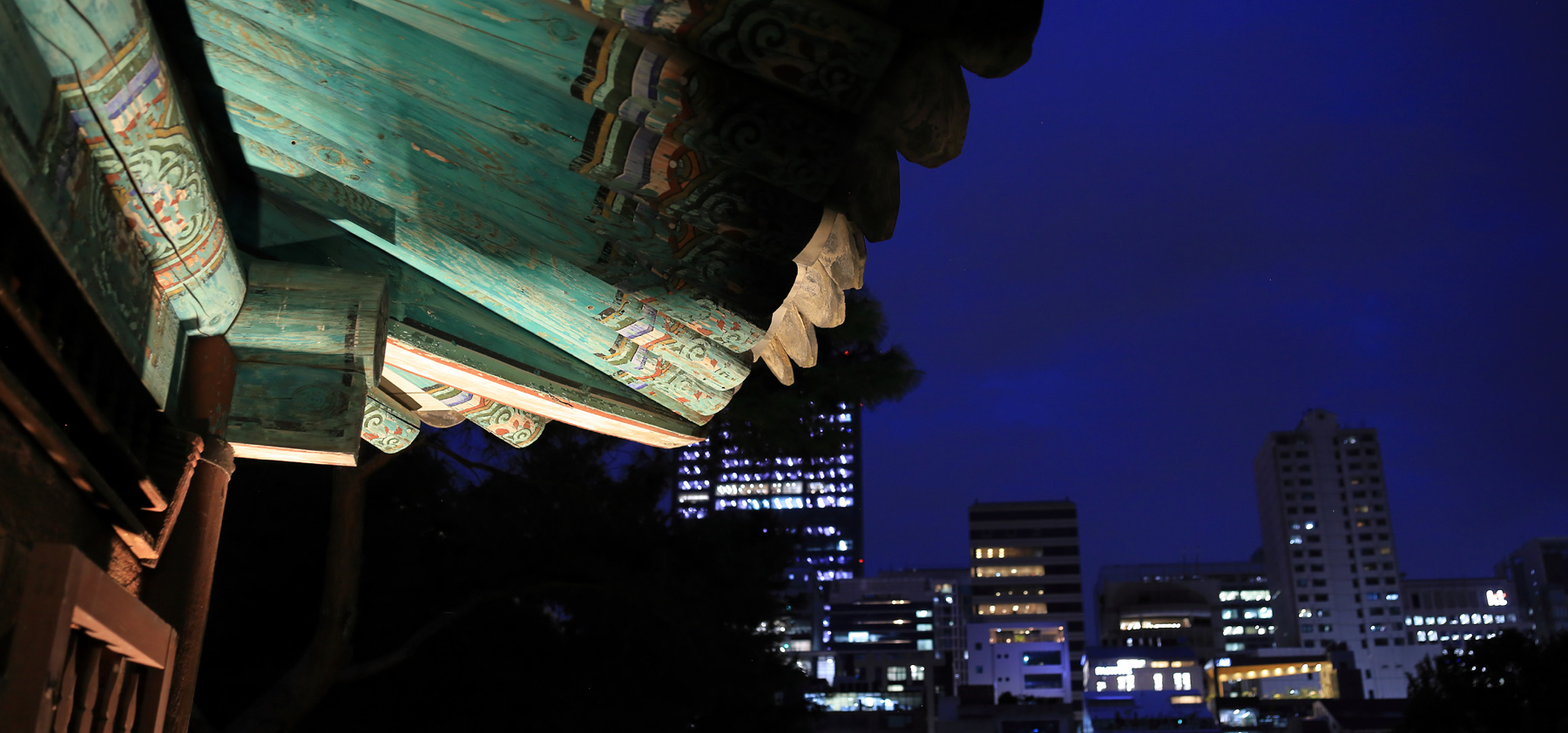
My first foray to this UNESCO world heritage site was after nightfall, whilst jet-lagged and unwell. Nonetheless, that evening visit made a good impression – whilst I couldn’t see the tombs themselves amidst the gloom, the shrines (and tomb-keeper’s house) were illuminated to reveal a striking decorative style. A meander through darkened forests, the trees alive with the noise of insects, definitely did me good – an unexpected find in the bustling streets of Gangnam.
I returned for a second look during daytime – whilst there is an entrance fee, it’s a token 1000 Korean won, about 50p, so paying twice is no hardship! This gave me a chance to see the 15th century royal tombs – or, at least, the statue-topped mounds into which they are built. It also revealed a network of stone paths linking them to the shrines – whilst today visitors can walk along the king’s roads, the spirit roads and stairs remain off-limits.
Bongeunsa Temple
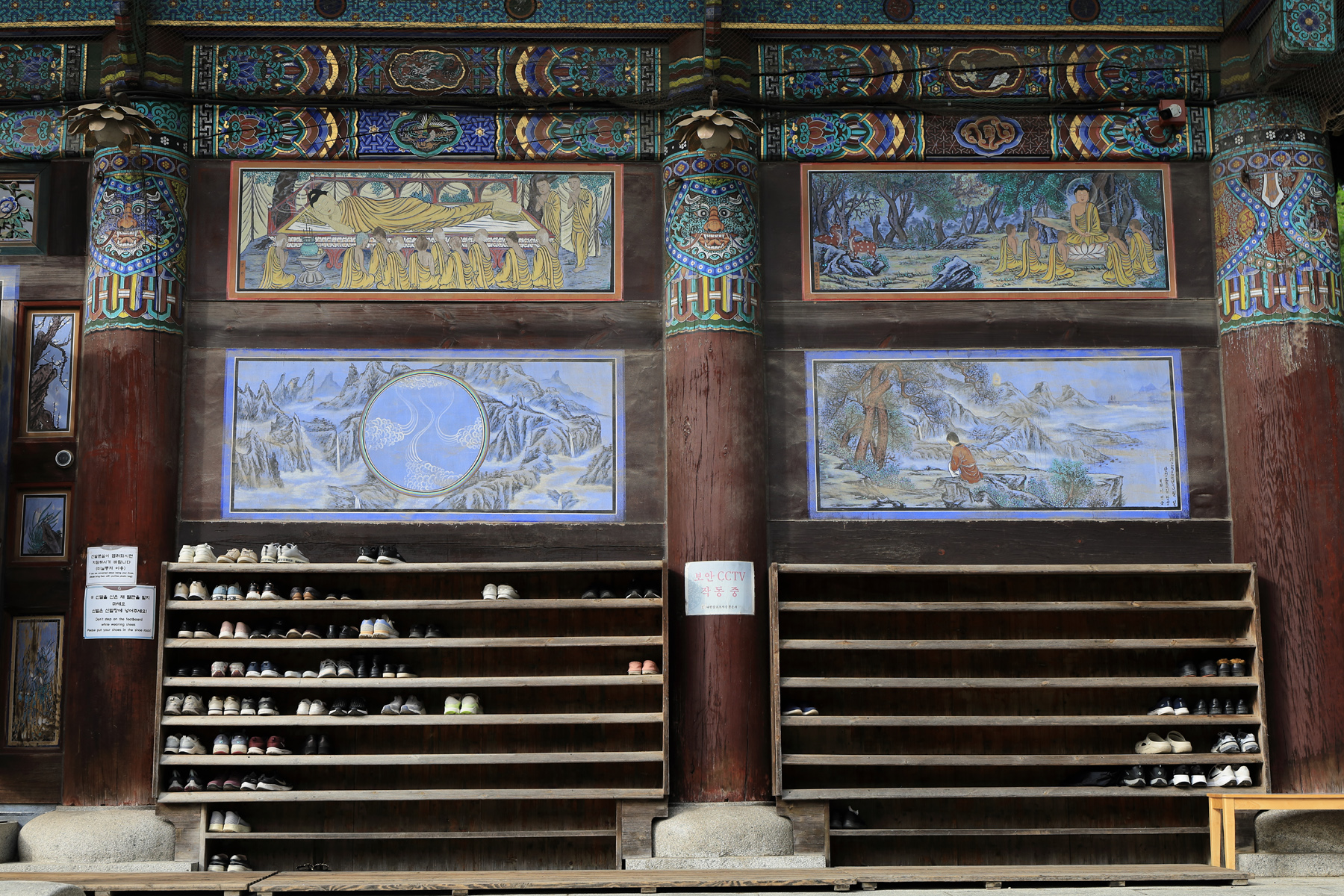
Associated with (and nearby) the tombs is another historic site around which a modern cityscape has grown, Bongeunsa temple. It remains an active place of worship, and I do mean active – I had associated Buddhism with zen contemplation, but in its Korean incarnation there is a lot of chanting and drumming! This is not just one temple, but a hillside complex with multiple shrines and prayer halls. These were decorated in the same colourful style as those at the Royal tombs, but further enhanced with paintings and sculptures. There are also thousands of carved buddhas – one of which is the largest stone statue in the country, standing 75ft tall; canopies of paper lanterns; and myriad stone cairns.
Starfield COEX Mall
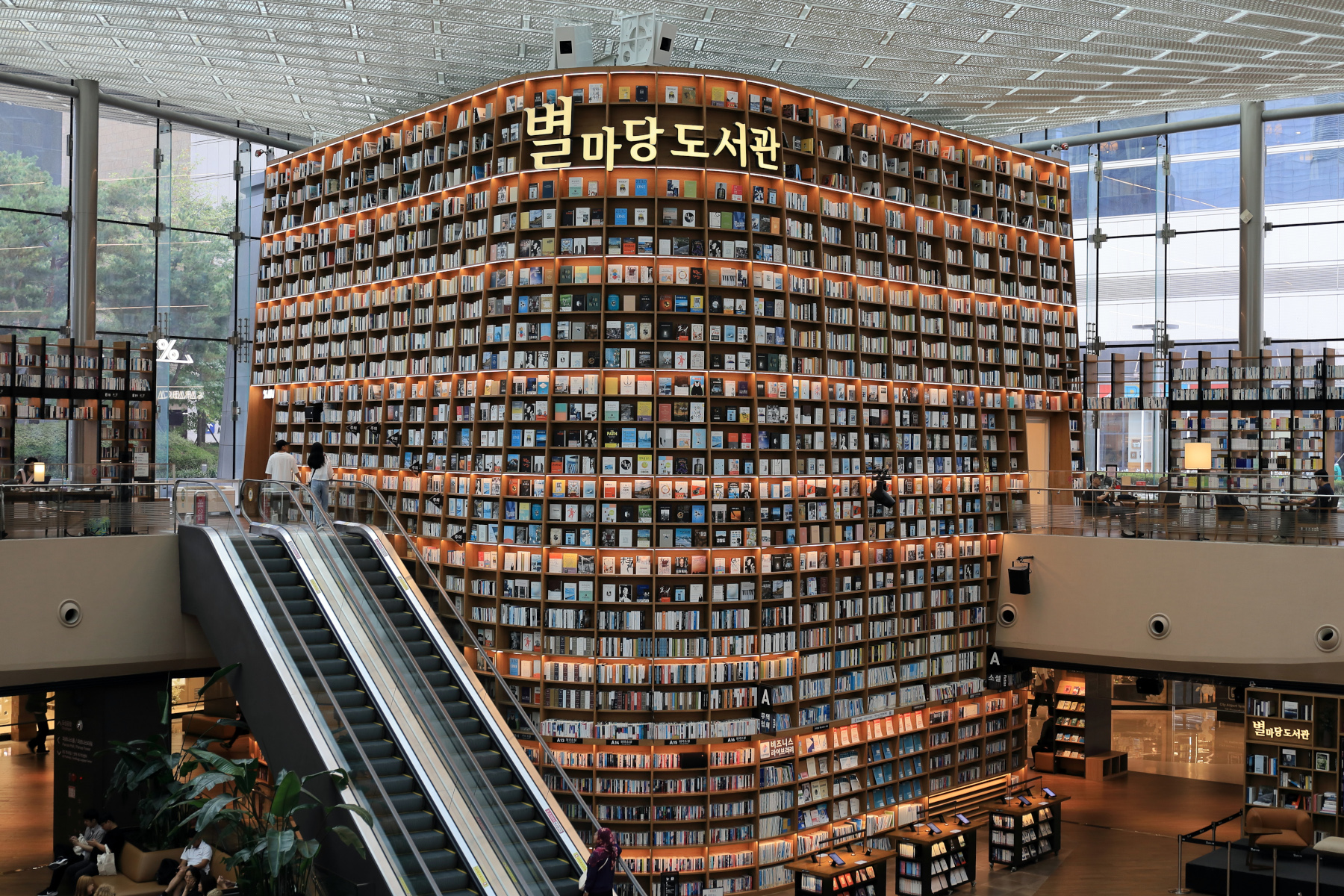
The COEX mall is a labyrinth, but visitors who find their way to its centre are rewarded with one of Seoul’s most instagrammable locations- the Starfield Library. Whilst the upper levels of its towering bookshelves are purely decorative, there are genuinely thousands of books available to borrow. Underground, the mall and convention centre blur together with neighbouring buildings such as the Hyundai department store and the Intercontinental Parnas hotel – in the food court of the latter, I had some of the best chicken I’ve ever eaten! Back up on street level, there’s a statue celebrating one of Korea’s most successful cultural exports: Gangnam Style.
Inwangsan Trails
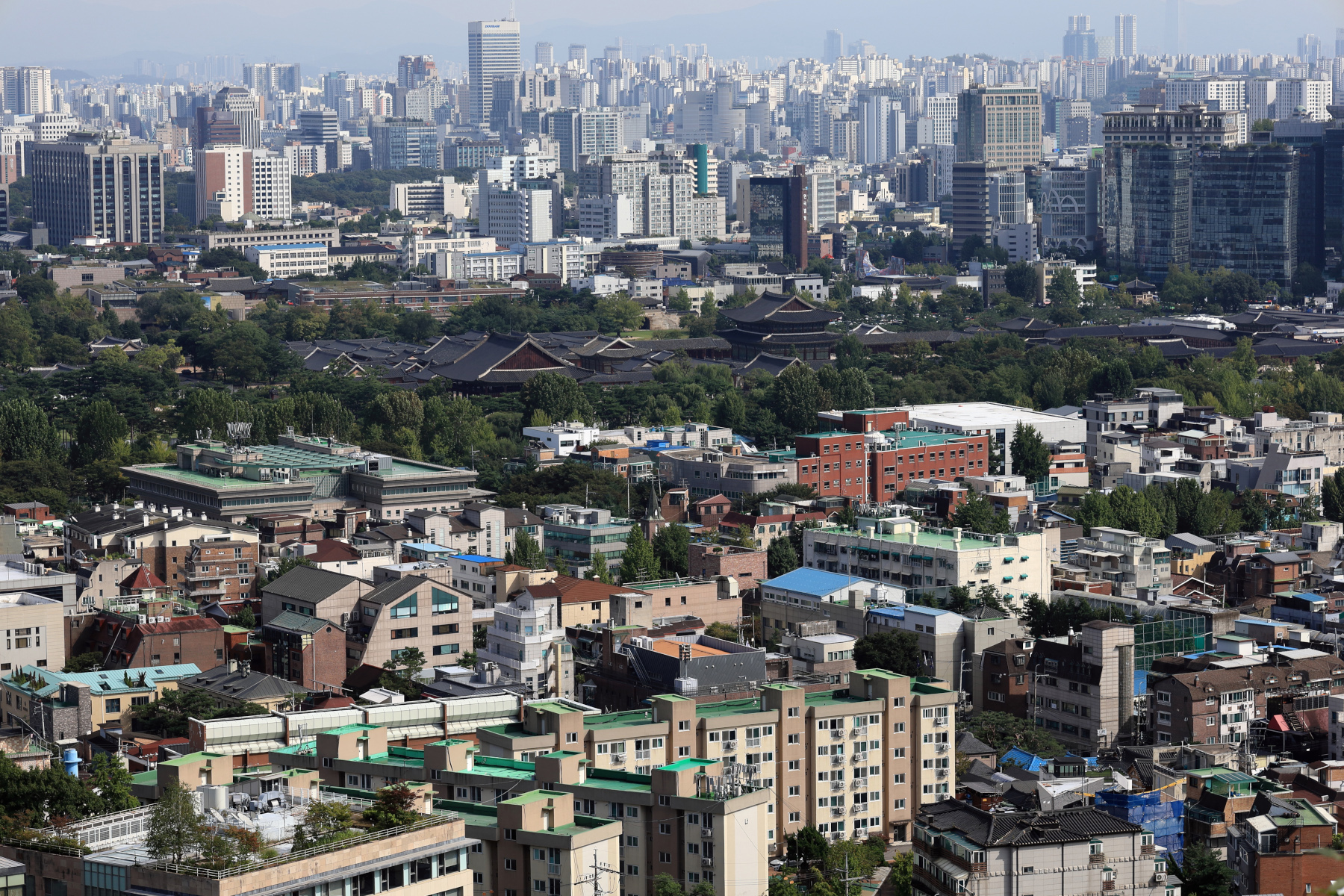
Intending to walk the extremely gentle Jarak-gil path through the foothills of Inwangsan mountain, I took a wrong turn after the Hwanghakjeng archery pavilion and accidentally took on the first half of the more demanding Sup-gil route. Fortunately I emerged from the woodland trails at a river valley park, where a map directed me back on course. That meant I got the best of both worlds: forest bathing along the Sup-gil, a mountainous backdrop offering no hint that I was in a mega-city; then open views across Seoul once I reached the Mumudae observation point which is the highlight of the Jarak-gil. (Although, having turned what should have been an hour’s stroll into two hours of hiking, I was also thankful for the Forest Chosochaekbang cafe and bookshop, where I was able to have a light lunch.)
Lotte Tower
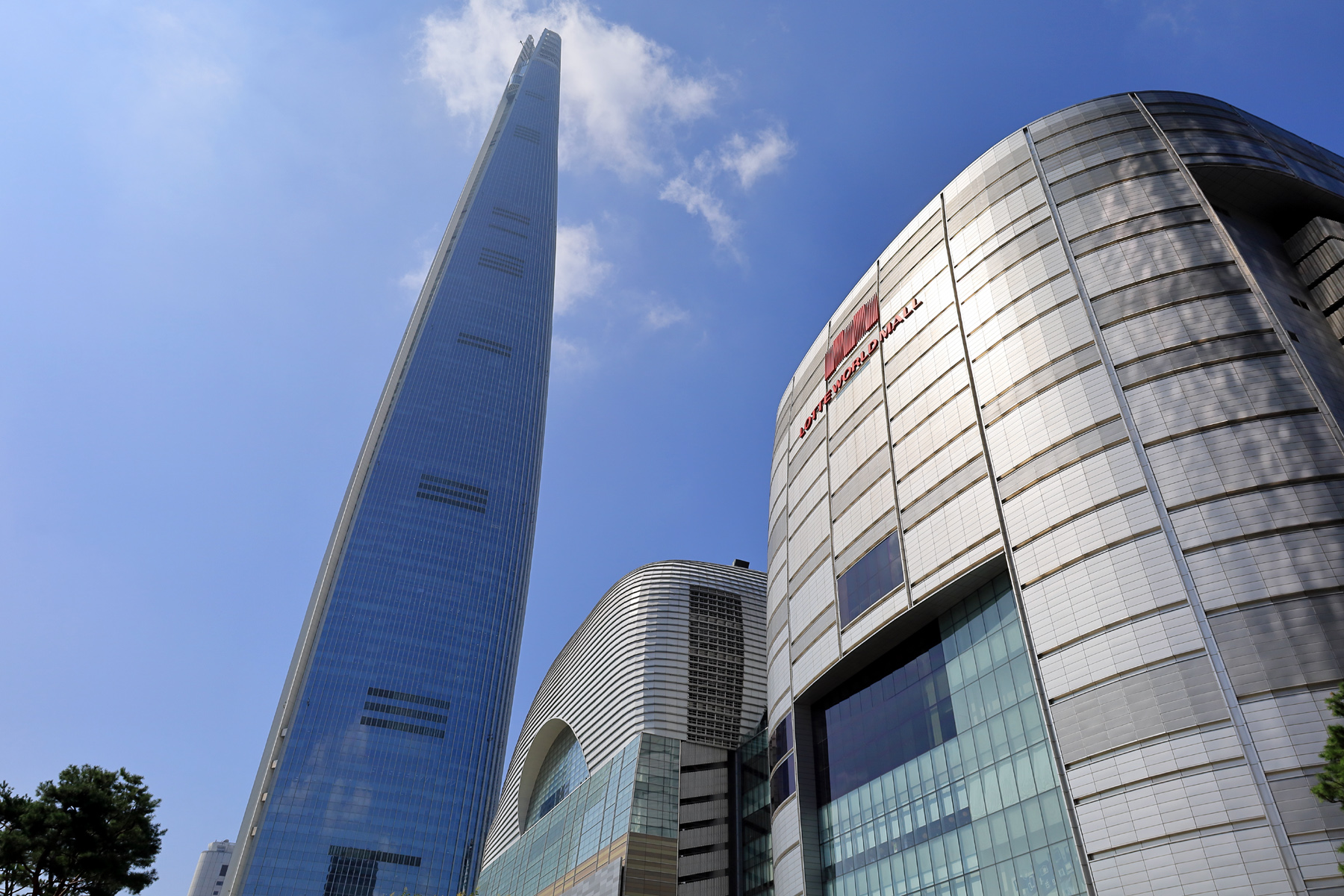
At 486 metres high, Sky view at Lotte World Mall is the world’s sixth-highest observation deck. Of the higher five, I’ve only visited the Burj Khalifa – and Seoul is a lot more interesting to look at than Dubai! Entry was also only a fraction of the price, at just £15 (For food, transport and tourist attractions I found Korea to be great value for money).
The express lift blitzes through 120 floors at a rate of two per second – sadly there are no windows to appreciate the climb, but there is a clever reveal of the cityscape once you reach the top. There are a few levels to roam, with 360 degree views of Seoul and the usual favourites like a glass floor section and an open-air terrace. If I ever make it back, I’d love to try the Sky Bridge, which seems similar to the Edge Walk I experienced in Toronto many years ago.
Leeum Museum of Art
Early in my trip, at a small gallery improbably located in the basement of the headquarters of a steel company, I had encountered a curious artwork of a tiger. A friend explained to me that they held particular significance in Korean folk art – often drawn with comical expressions to denote inept government officials, and paired with clever magpies representing the common people. It transpired that the Leeum museum was holding an exhibition of such Magpie-Tiger artworks, including the oldest known example, a 16th century painting not previously displayed.
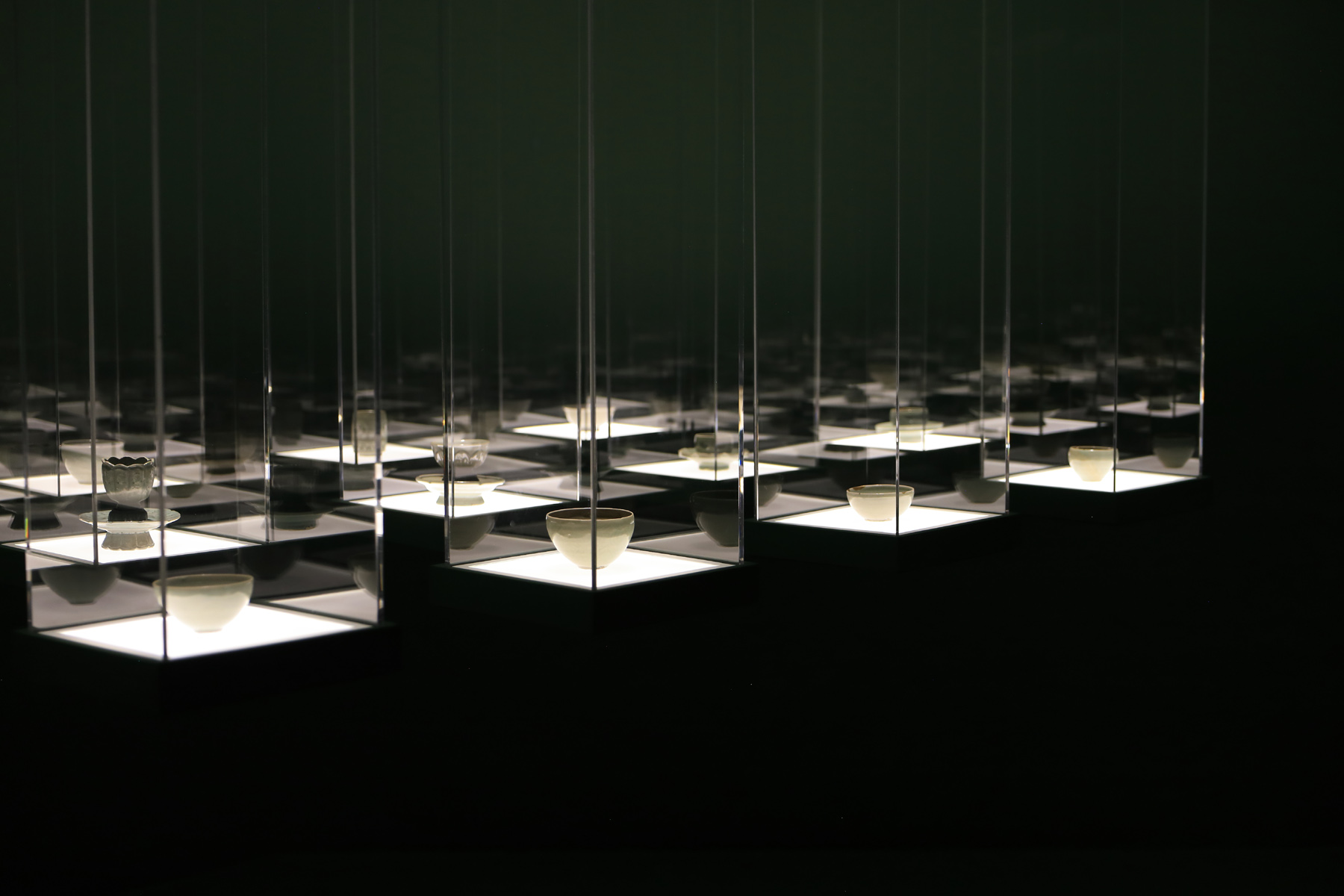
This thread of interest was motivation enough for me to squeeze in a visit, but the Leeum’s permanent collections have plenty more to offer – and I was only able to fit in Museum 1 between bouldering events. The building itself is an artwork – Kimsooja’s To Breathe enhancing the rotunda, a spiral staircase offering access to four floors of ancient art. These might be the most impressively presented artifacts I’ve seen in a museum – particularly the light-boxes holding ceramics.
Gyeongbokgung Palace

As mentioned, my hotel choices and the climbing schedule meant I wasn’t well-placed for Seoul’s main tourist attractions. Thus I nearly missed one of the best – Gyeongbokgung Palace – dropping in on a whim on the final afternoon of my trip before an evening flight. This was a great way to wrap up my visit to the city, with the contrast of historic vs modern architectural styles being particularly evident here. Entry is free for anyone in traditional hanbok clothing – this saves less than £2 per person, but many guests had taken the opportunity anyway. Their old-fashioned garments created an interesting atmosphere, fitting for the immediate surroundings but at odds with the looming skyscrapers or the smartphones in everyone’s hands.
The palace grounds were far larger than the those of the temples and tombs I’d seen earlier, and the buildings more elaborate, from pagodas to pavilions. I did not have time to explore them all; I’d definitely recommend allowing more than the couple of hours I had!