The ferry from Bari to Durres had been a crucial part of my race strategy last year – so much so that I had booked it before I even knew a route through Italy would be feasible! Whilst it did what I wanted – providing a way into Albania that would spare me long-distance Balkans buses – the experience itself was far from a highlight. Processes were very much set up for vehicle traffic rather than foot passengers; my trip was beset by cancellation, downgrade, and delay; once finally aboard, facilities were basic.
It was therefore with some trepidation that I planned a similar approach for this year’s race: taking trains as far as possible, followed by an overnight sea crossing from Sweden to Estonia. That course required some rework once we learnt of an additional Nordic checkpoint – it would still include a 12 hour nocturnal sailing, but to Finland instead. I shouldn’t have worried, however: travelling with Viking Line from Stockholm to Turku proved to be not just better in every way than my Albanian Connection sea voyage, but arguably the best leg of our entire journey to Tallinn.
Booking was straightforward and – even though we did so just five days in advance – fares seemed reasonable, at less than 200 euros for two people in an inside double cabin with ensuite bathroom. Once we got to the Stadsgården ferry terminal – the closest to Stockholm’s old city, we just walked from our restaurant – there was none of the bureaucratic dance I’d endured in Bari. We simply scanned the QR code from our confirmation email at a kiosk, which then dispensed tickets which were also our cabin keys. Nor did we need to traipse between separate facilities – although departures was quite crowded, we were there for barely 20 minutes, with passengers being allowed onto the ship about half an hour before we were scheduled to set sail.
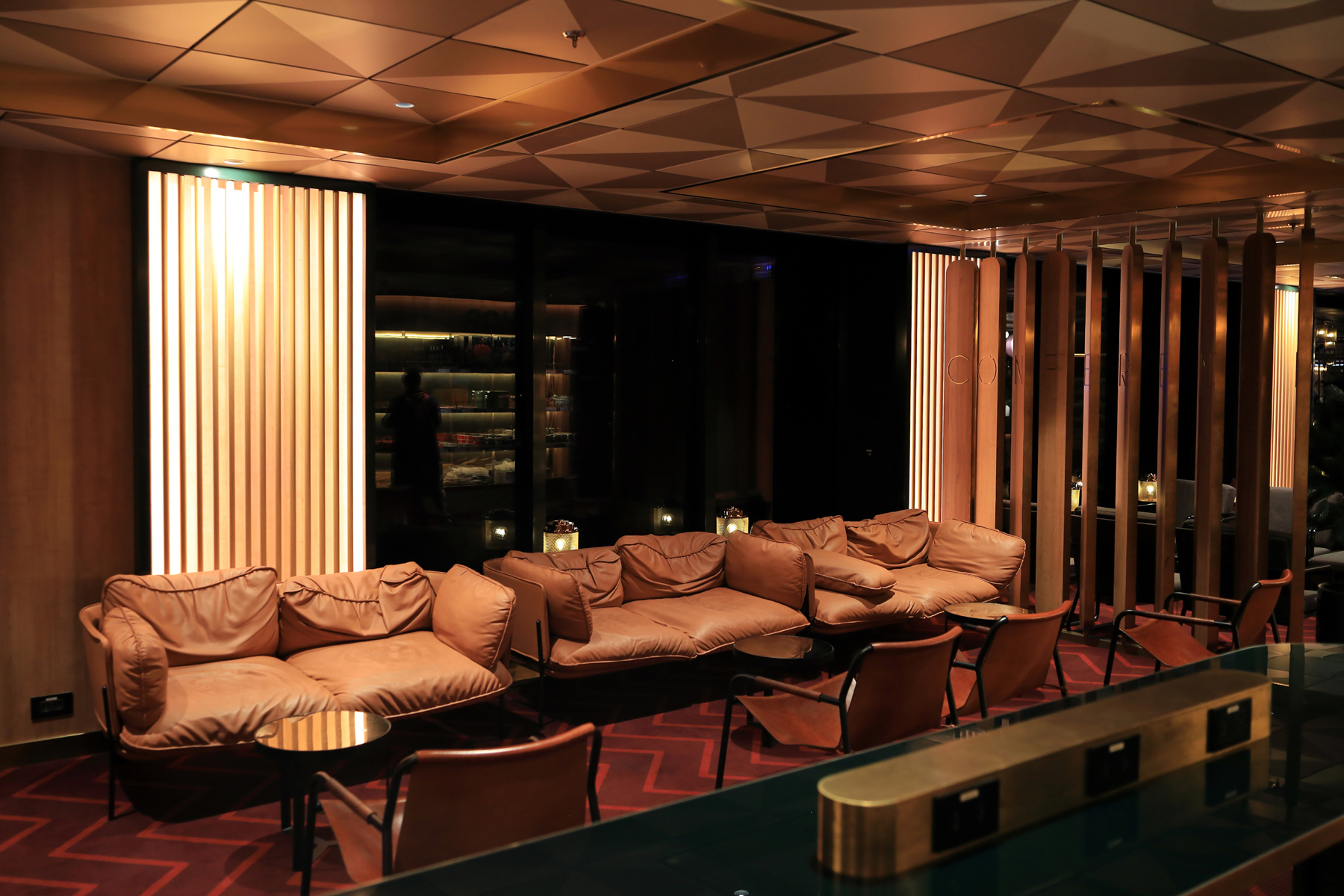
Our vessel, Viking Glory, was already docked when we arrived at the port, and it was clear from its size alone that this was going to be something special. The ships plying these routes are in a category known as cruiseferries – tough enough to withstand the Baltic sea in winter, but with the luxury facilities of cruise liners. This one was practically brand new, having taken its maiden voyage in 2022 – in stark contrast to AF Francesca, my transport to Durres last year, which was built in the 70s. Once aboard we were immediately impressed by the interior, and intrigued by signage directing us to everything from a casino to a spa.
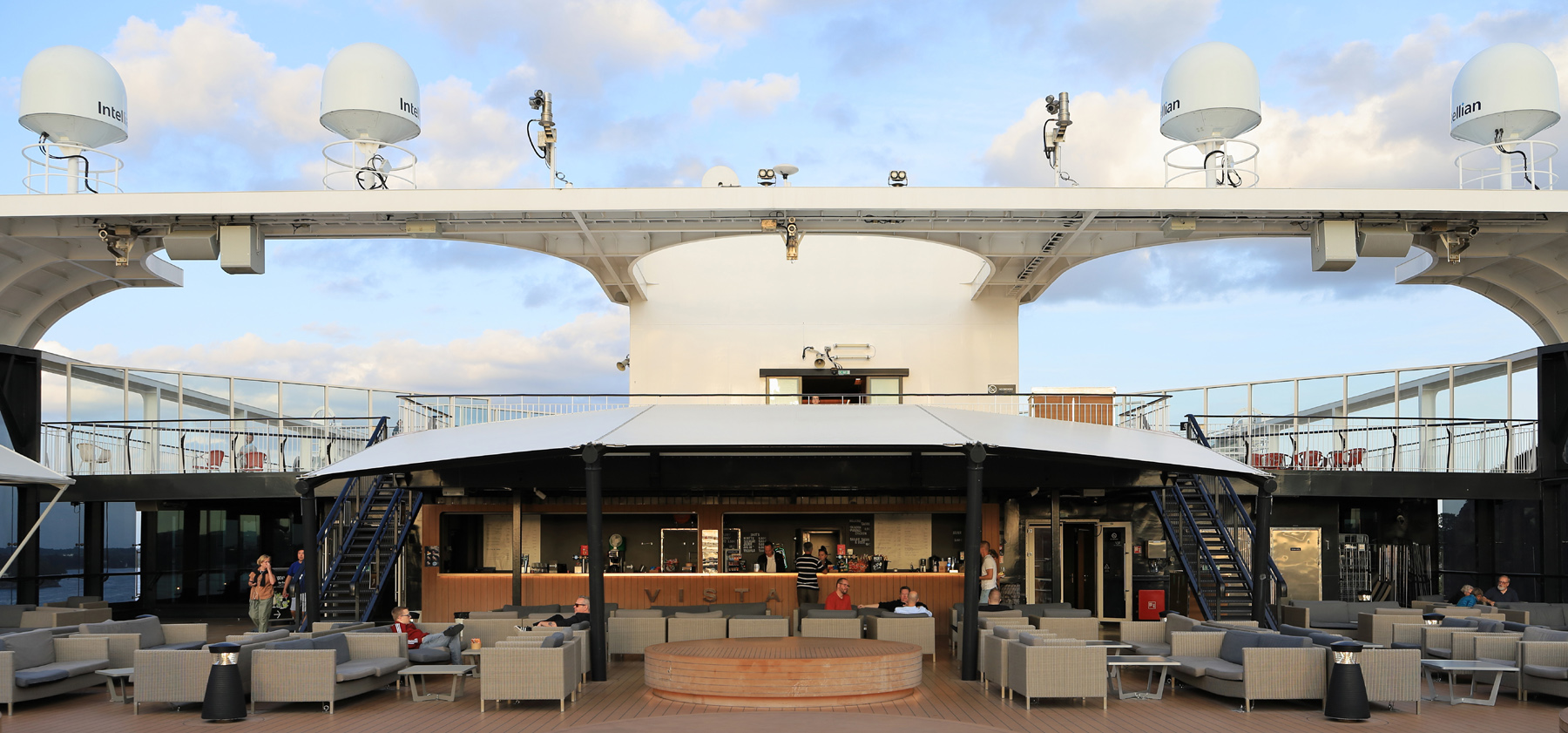
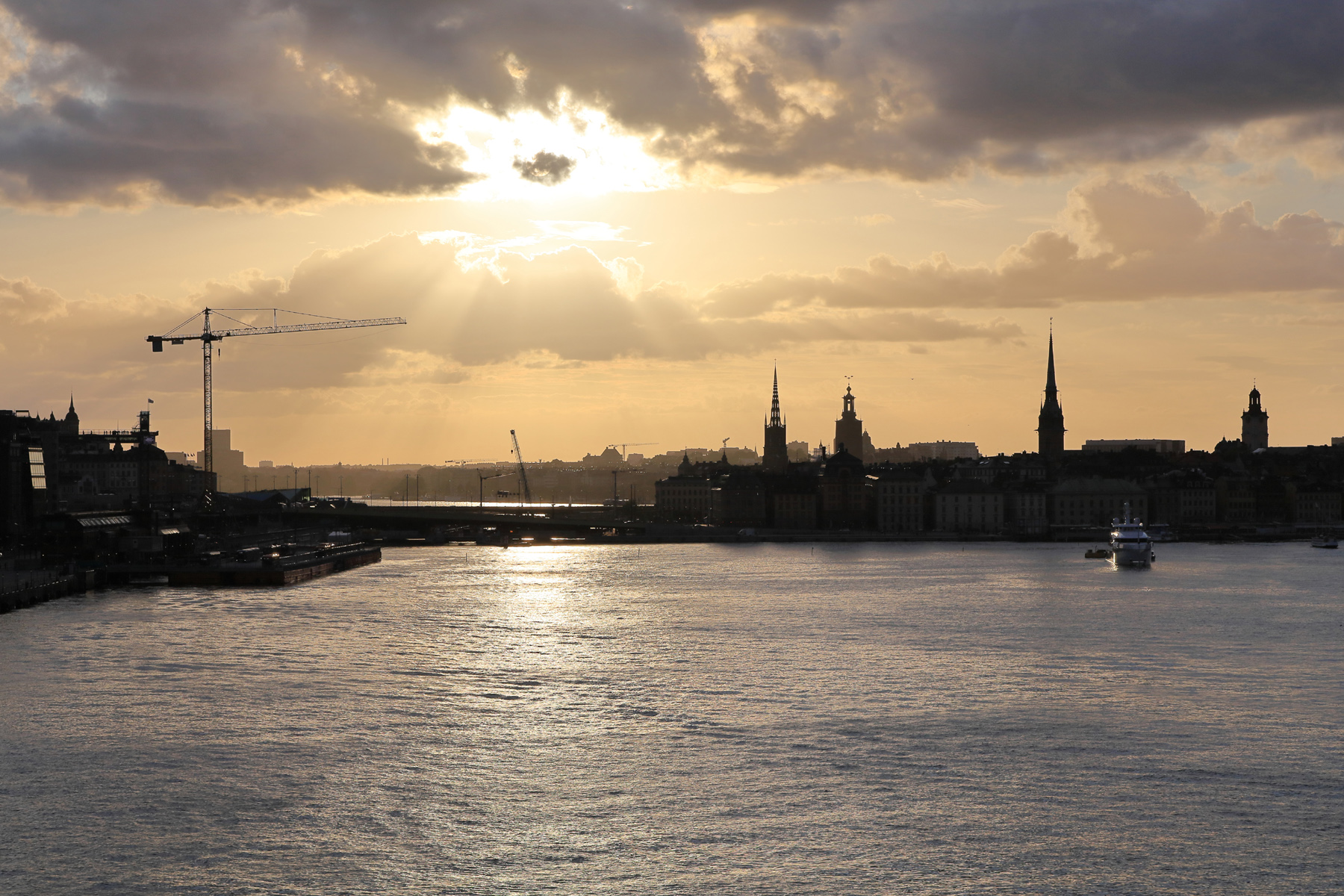
Our cabin was small, but had a proper double bed (instead of bunks) and a clean, modern bathroom. We didn’t linger after dropping off our bags, however. Exploring the public levels, we scoped out several bars and restaurants, but the obvious place to be was in the open air, settling in to sofa seating on the sundeck at the back of the ship. The Stockholm archipelago making up eastern Sweden consists of tens of thousands of islands, which take several hours to navigate. That meant we enjoyed an endless procession of coastal scenes – from grand buildings in Stockholm to tiny holiday homes hugging the shoreline, a small dock potentially their only connection to the rest of the country. The sailing was completely smooth, despite the churning wake playing out behind us; and conditions were mild enough to stay on deck through the slow sunset.
It would be almost midnight before the ship reached open water, and that for only a couple of hours. We were fast asleep by the time it reached its first stop: Mariehamn, Åland. I had first heard of these islands last year, when NomadMania organised a trip; they also counted as a bonus point for those chasing a high country count during the Baltic Brutal. Technically Finnish, but Swedish-speaking, the inhabitants of these islands enjoy a high degree of independence from both countries, with their own government. I would have enjoyed looking around, but not at 2am – nor at the expense of a day’s race progress. One for a future adventure, perhaps, as it is possible to arrive mid-afternoon via a morning sailing from either port.
My only criticism of this journey is that it is too short! At first glance it takes twelve hours from Stockholm to Turku. But Finland is an hour ahead of Sweden; and cabins have to be vacated for cleaning well before you reach port. In our case, that meant being turfed out at 05:30am according to our body clocks – requiring one of the fastest showers of my life after the knock at the door! We spent the final hour having breakfast whilst drifting past Finnish islands – the coastline here is just as complicated as the Swedish one. As foot passengers, disembarking was swift, and it was a short walk from the ferry terminal to the train platforms for onward connections to Helsinki or, in our case, Tampere.
I have long been in two minds about whether I would enjoy a cruise. Combining transport and accommodation, waking up somewhere new each morning, has long appealed – and is something I have emulated with my US rail tours. I have been less sure about the onboard experience, with neither formal cruises nor party boats being my scene. This relatively short sailing, however, was ideal, and has inspired us to explore more of the routes in this region on future trips. Viking Line even offer mini cruises to nowhere, so that you can enjoy up to 23 hours on one of their ships before returning to Stockholm – an exciting alternative to a hotel night! Their route network spans Sweden, Åland, Finland and Estonia, as does that of rival operator Tallink, whose services we sampled more briefly between Helsinki and Tallinn. Whilst I don’t expect to turn into a cruise blogger any time soon, I do hope for further adventures at sea!