As with last year, the first and final checkpoints of the race – Brussels and Tallinn, respectively – were all that had been disclosed. Also like last year, I had nonetheless spent plenty of time mapping out possibilities, and already had a preferred course in mind. The hope was that instead of having to bus our way through the Baltics, we could instead take a more northerly approach using trains and ferries. Without the checkpoints, that would be a straightforward (and appealing) Belgium – Germany – Denmark – Sweden – Estonia itinerary.
My fear was that there would be compulsory locations to visit too deep into eastern Europe to successfully backtrack. I was however encouraged by a clue: the list of territories that would count as countries for participants trying to maximise that score. Bornholm, Öland, Gotland, and the Åland Islands had been included for this race, and are all in the Baltic Sea. So an “over the top” route seemed to have been designed in – but would it require a relentless travel pace to complete within a week?
Choosing Checkpoints
All was revealed at the start line, with the organisers talking us through the options. The broad structure was the same as the Albanian Connection: the known first checkpoint; a choice from three alternatives for the second; another compulsory stop; then a pair of routes to the finish. This time, though, those branches had been made explicit – the “Baltic Dash” and, as hoped, a “Scandi Detour” – and each featured two checkpoints.
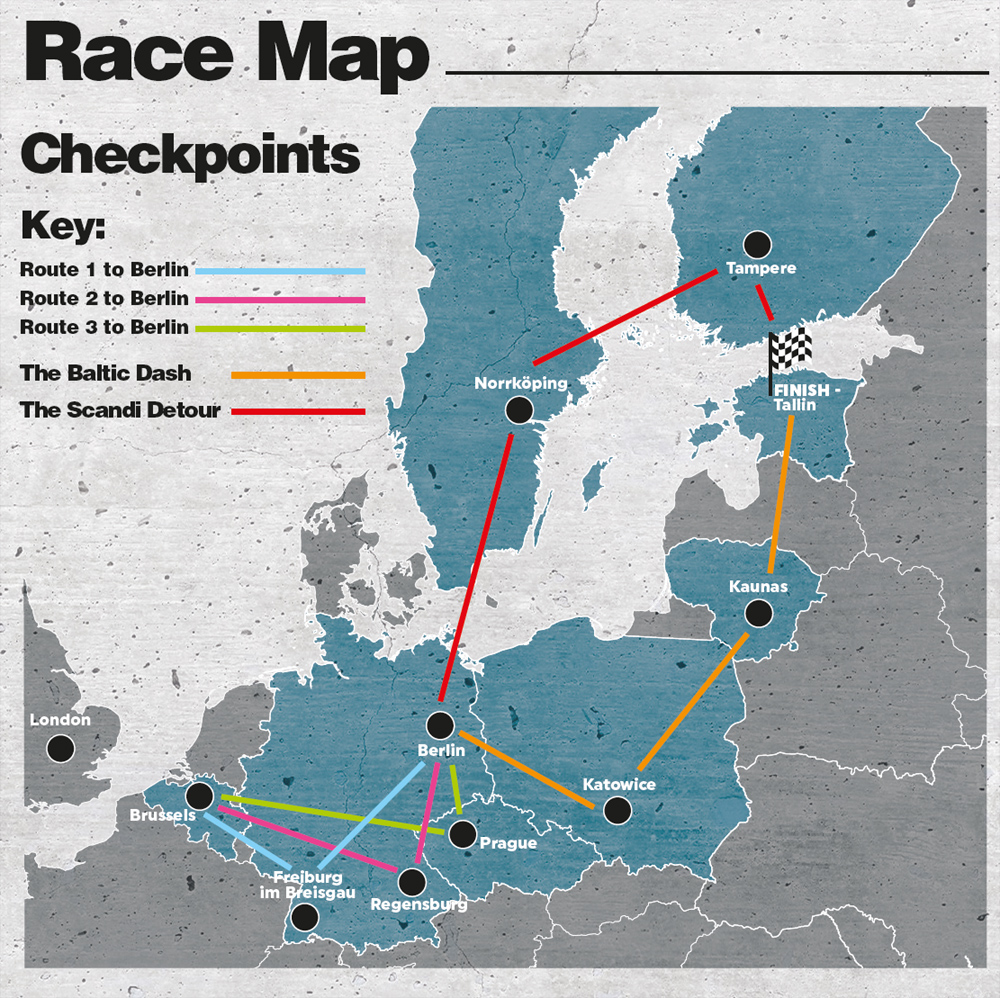
Those attempting the dash would need to visit Katowice, Poland and Kaunas, Lithuania before arriving in Estonia from the south – an overland route requiring buses as well as trains. That, then, confirmed our status as ‘detourists’ – although I hadn’t managed to predict the exact Swedish checkpoint, Norrköping, it had at least featured in my research for a side-quest we had dreamt up pre-trip. Complicating matters was the additional stop, in Tampere, Finland: this eliminated the possibility of sailing straight from Stockholm to Tallinn, so I was glad that I hadn’t repeated last year’s gambit of pre-booking a ferry!
There was still the matter of selecting checkpoint two, however. On offer were:
- Freiburg im Breisgau, Germany
- Regensburg, Germany
- Prague, Czech Republic
These are all off the natural path between Brussels and Berlin; just as with last year, the non-German option was the least practical, yet the most attractive. Prague would add to our country count not just for the race, but in general, with neither of us having visited Czechia before.
So, then: London – Brussels – Prague – Berlin – Norrköping – Tampere – Tallinn. I think this combination gave the longest path through checkpoints, which might explain why we met only two other racers who were attempting it. Here’s how we got on…
London to Brussels
Rather than rush from the departure venue (Herne Hill Velodrome) to St Pancras for the first possible Eurostar, I’d again booked the 3pm service. This allowed for a leisurely lunch at a favourite restaurant in Kings Cross, during which I could examine the rail planner app to reconcile our plan with the schedules. It also meant that we weren’t stuck on a train or in a station when the midday photo contest dropped. This was a fun new addition to the event, giving racers another way to compete: each day a specific challenge would be sent out by email, and the fastest reply would win a drinks voucher for the after party. The first task was to take a picture of yourself “with a coach or bus (not a train) clearly showing an end-of-line destination starting with the letter ‘B'”. Diving into traffic I got my shot and fired it over to Lupine HQ within a minute, easily securing the win!
With the checkpoint in Brussels rather than Bruges this year, this opening leg was even simpler – a single train ride from London. Nonetheless, I stuck with my previous approach of pre-arranging both that and the first night’s accommodation, rather than winging things. In other words, I entirely ignored my conclusions regarding day one strategy from the Albanian Connection… Having now done two races, I feel like it’s worth easing into them: early starts, late arrivals, constant recalculating and the general uncertainty of where you’ll end up each night do take a toll. Deferring all that with a simple, known plan to start with has value in and of itself. But, like last year, there were other advantages. Not booking same-day made this one of our cheapest hotels, despite picking one conveniently close to the station. We also were able to fit in some sightseeing, wandering back from the checkpoint via the shopping arcades and Grand Place.
Brussels to Prague
I don’t recall any difficulties last summer with seat availability when travelling on an interrail pass. But it proved an issue throughout this trip, starting with the very first train we wanted to take. As the 10:25 from Brussels to Cologne was fully booked, we had to wait two hours for the next departure (coincidentally, the same ICE315 service I used on the Albanian Connection). Although we arrived in Cologne on time (to the surprise of everyone, including the train staff), we then got DeutscheBahn’d, with our train to Frankfurt airport delayed to the extent we’d miss our connection. Fortunately that train was also behind schedule, so we were able to make both it and our chosen service to Leipzig, our original goal for Sunday.
With 2 out of 3 DB trains running late, however, we had grown nervous about our plan for Monday morning: even an on-time arrival in Dresden at 9am allowed only ten minutes slack for our desired train to Prague, with the next departure two hours later. Realising that the train we were about to board to Leipzig continued all the way to Dresden, we figured that so too should we. This was a tough choice to make – Brussels to Dresden would amount to almost nine and a half hours, all but two spent in transit. But unbeknownst to us at the time, it was a decision that saved our trip.
Although we had planned all the way to Copenhagen earlier in the day, it was only on the last leg that we attempted to make the mandatory reservations for the various border-crossing trains. Seemingly nothing was available, prompting a frantic re-think. It was now essential that we got back to Berlin by Monday night, which meant wrapping up Prague by mid-afternoon: but we couldn’t use the fully-booked 09:10 to get there. Had we already stopped for the night at Leipzig, none of this would have been possible. As it was, getting back on track required a swift turnaround in Dresden, the 07:08 departure a challengingly early start given we had arrived a little before 10pm the night before (the few hours in-between spent at a nearby Premier Inn).
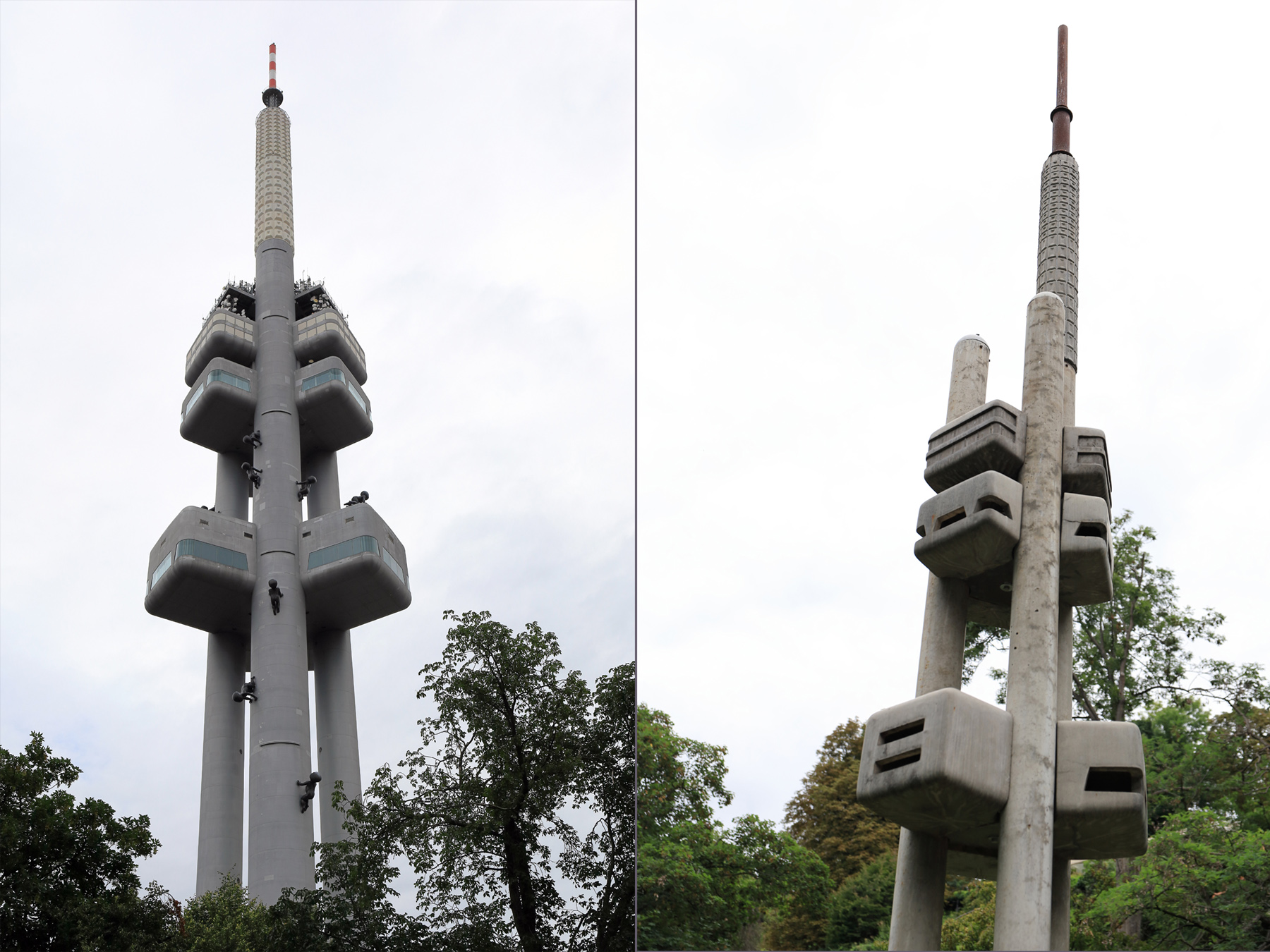
This was our first encounter with Czech rolling stock – significantly older than the ICE trains we’d been enjoying across Germany, but still comfortable in the near-empty first class (which made me wonder if the unavailable trains were truly sold out). This was also the first portion of our journey which could be described as scenic, as we ran alongside the river Elbe beneath steep cliffs. Prague was definitely worth the effort, and deserves a proper visit in future. To claim the checkpoint we had to visit two locations – the Žižkov Television Tower and its replica in a sculpture garden. We much preferred the latter site, where we ran into several groups of racers. Formalities complete, we had a quick look around the old town before settling in at Výtopna, a restaurant built around a massive model railway which delivers meat and beer.
Prague to Berlin
The journeys between checkpoints seemed to alternate simple and complex: whereas Brussels – Prague saw four changes, we could get all the way to Berlin on a single train. EC 172, Hungaria, is a truly international affair, travelling through four countries on its route from Budapest to Berlin.
Unfortunately its near seven hour run to Prague hadn’t gone smoothly; this turned out to be our most delayed train, 45 minutes adrift before we’d even boarded. We did at least notice this from an online tracker, meaning we could pass the extra time at the restaurant rather than on a station platform.
Even if it had been to schedule, this would still have been our longest single leg, at four and a half hours. It felt even longer, as for much of the ride we were just undoing earlier progress, following the same route back as we’d taken earlier in the day. All told, our Dresden – Prague round trip was about 11 hours, more of it spent on trains than in the city…
From Dresden it was non-stop to Berlin, although not at particularly high speed – not only did we not recover the earlier delays, we slipped another ten minutes, arriving close to an hour late. Along the way I had found us a hotel just opposite the Hauptbahnhof, the unfamiliar Hotel AMANO Grand Central. Proximity to the station was triply-important, given our late arrival, another prompt departure booked for the morning, and evening plans in Berlin.
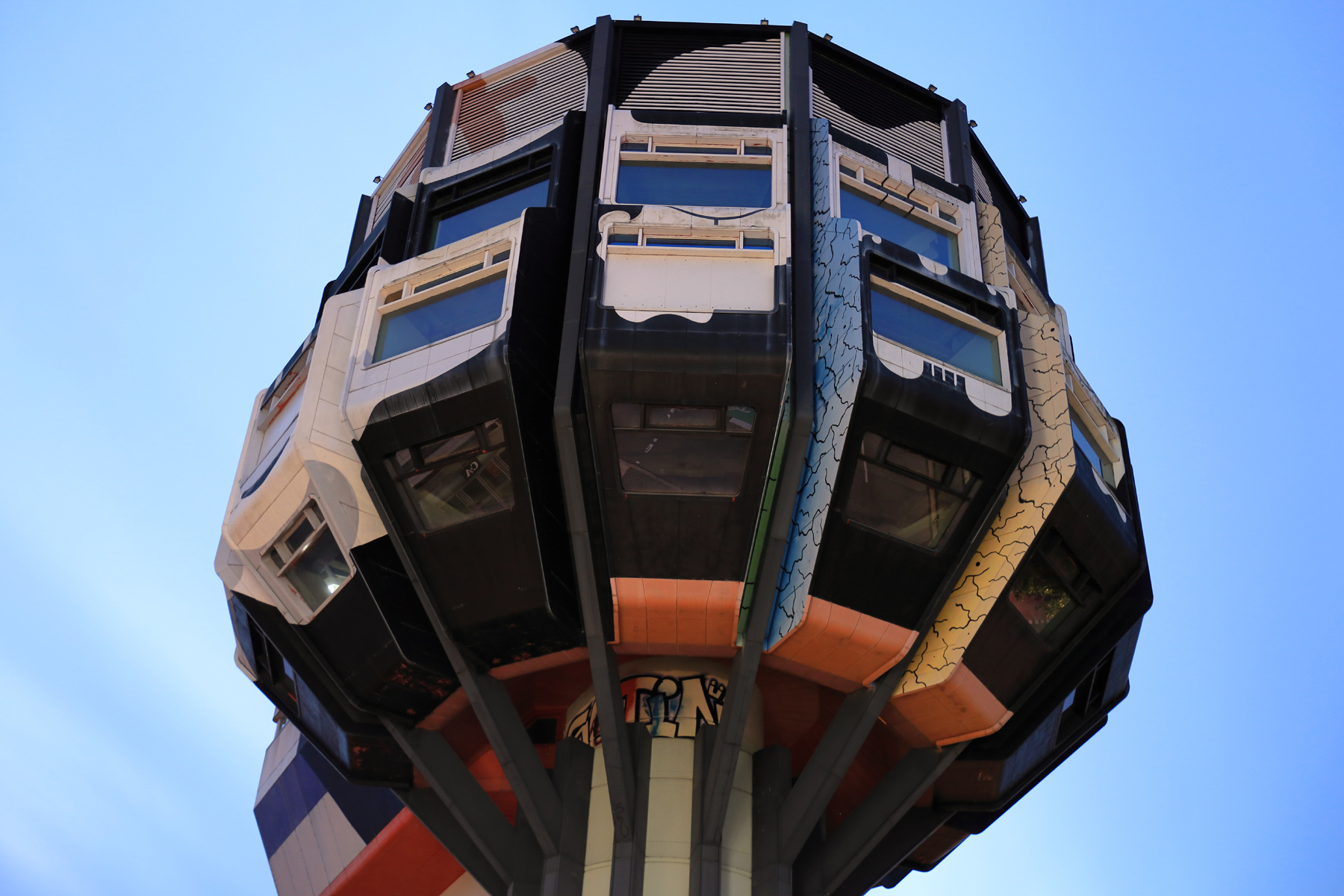
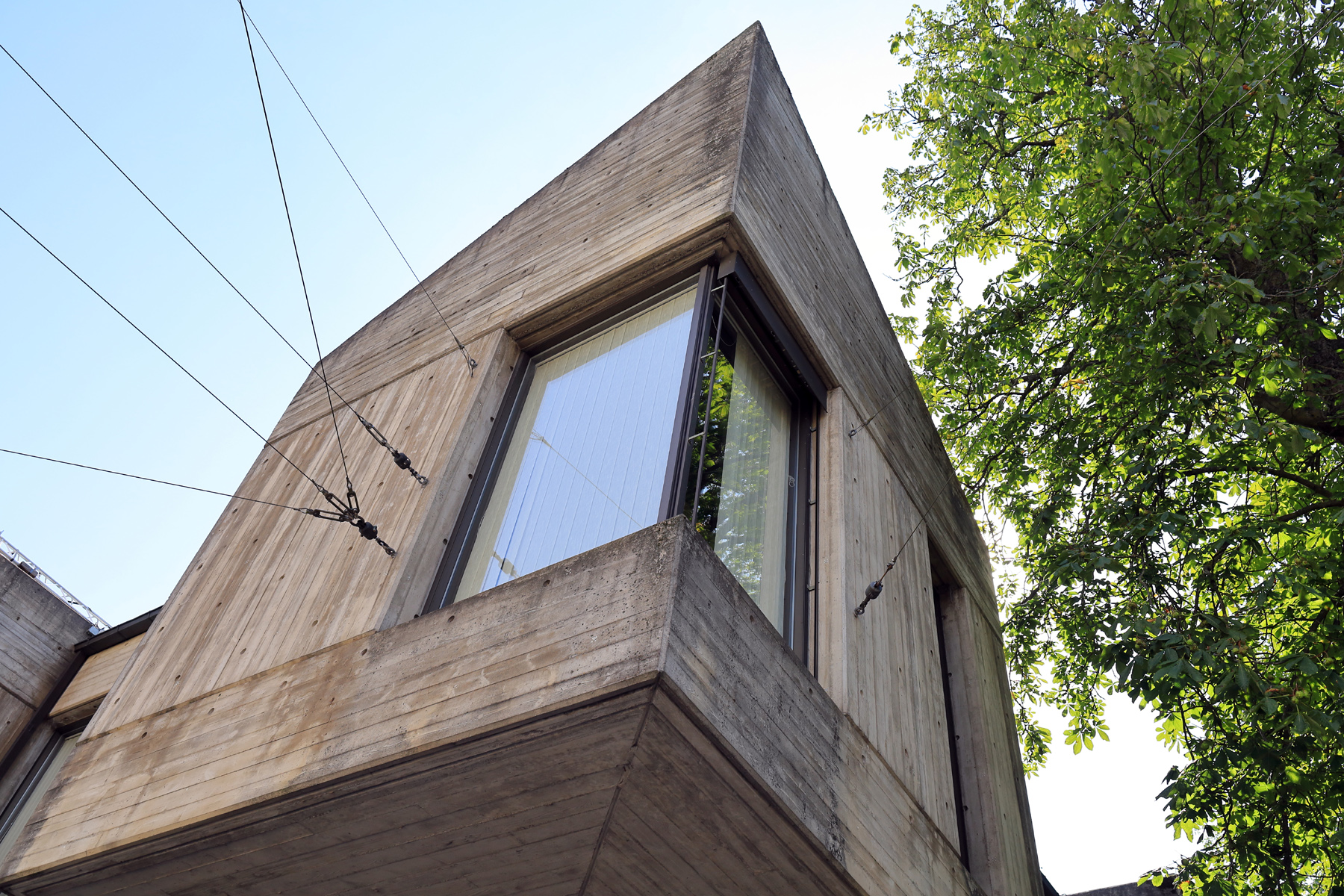
Most important of those was to actually visit the checkpoint – another Brutalist tower, the Bierpinsel, to be photographed from a specific angle. We made it there with the dying of the light, making use of our rail passes on the S-bahn to save figuring out the U-bahn. Similarly close to the wire was our arrival at the “Layover” social event, three minutes before it technically closed. Thankfully it carried on into the night, giving us the opportunity to meet up with some of the flyertalkers participating this year. We also ran into a couple we’d met earlier in Prague – a long way away, but not that long ago!
Berlin to Norrköping
If you were just trying to get from London to Tallinn without flying, then everything we had done over the last two days would be unnecessary: from Belgium, simply head to Hamburg. Our seventh train since Brussels finally delivered us there around lunchtime on Tuesday: a long but straightforward journey in the now-familiar environment of ICE first class.
In theory it was then just one more hop to Copenhagen but, as mentioned, we couldn’t make the requisite seat reservations on any of the direct services. Instead, we had to piece together three different trains, connecting through the previously unheard of Flensburg and Fredericia. Worse, racers who had attempted this routing the day before had reported severe problems with overcrowding, resulting in lengthy delays.
Having first class interrail passes absolutely proved its worth here. The regional service to Flensburg was already standing room only in second class, which would have been a tough way to spend two hours. Fortunately upstairs in first we found a wide choice of seats, despite reservations having been unavailable.
Clearly the vast majority of people alighting at Flensburg – the last German stop before the border – were, like us, only here to continue onwards into Denmark. This was a problem, as the DSB Intercity sent to collect us all had at best half the capacity of the train we’d arrived on. For this leg we did have seats booked – although it was a fight to even get to the tiny first class section at the end of the carriage, and once there we had to evict some other passengers. The crowding that we’d witnessed from afar on the previous ride was now up close and personal. The conductor’s insistence that those without first class tickets clear the aisle and return to standard was ignored on the reasonable basis that it was physically impossible given the volume of people and luggage.
It took an hour and a half to get to Fredericia, where we changed to a more suitably-sized train for our trip across the great belt link, over ten miles of bridges and tunnel connecting Funen and Zealand. We had hoped to stop for the night in Copenhagen, but last-minute hotels were simply too expensive. So we pressed on via another impressive bridge-and-tunnel combo, the Øresund line; ending our first three country day in Malmö, Sweden after 12 hours of travel.
That at least put us in the same country as the checkpoint, but we wouldn’t reach our target city, Norrköping, until the next evening. Just as with Copenhagen, the ideal journey – a three hour ride on a high-speed X2000 service – wasn’t possible to book. Nor could we repeat our trick of chaining together regional trains – at least, not via Interrail. However, as we had “five days in a month” passes, but would be taking trains for six days, we would need to pay our own way at some point. This stage seemed the ideal time to do so.
We were also in need of a change of pace after a couple of heavy travel days. So we decided to slow down, venture off the race path, and see some of Sweden. Thus we left the high speed line a couple of hours up the track in Nässjö, switching to local services to get to Mjölby via Tranås. From there, we abandoned trains entirely, taking buses to Hästholmen and Rök in search of ancient sites.
We picked up the race thread back in Mjölby, with the final leg to Norrköping – more eventful than expected on account of a police raid! We saved the checkpoint collection until the next morning, and followed it up with a pleasant wander along a river and through various parks. Norrköping is not somewhere we were likely to have ever visited were it not for the race, so I’m glad we took some time to explore.
Norrköping to Tampere
With our fifth day of travel featuring just one train – a ride to Stockholm that would take less than two hours – it made no sense to burn any of our railpass quota. Second class fares were about £20 each, and standard accommodation was no hardship – we mistook it for first class on boarding.
We had about five hours to kill in the Swedish capital, relaxing in a park before grabbing an early dinner at the excellent Meatballs for the People and drinks at a nearby bar. From there it was over to the port for a ferry to Finland. This turned out to be a cruise ship, and was easily one of the highlights of the whole trip.
We spent exactly 12 hours on the Viking Glory, arriving into Turku early on Friday morning (7:30 local time, an hour ahead of Sweden). It was an easy walk from the pier to the rail platforms, which was good as the train connection is needlessly tight: departing the harbour 40 minutes after the ship came in, but then sitting at Turku’s main station for most of an hour.
Ekstra class on Finnish operator VR’s trains proved to be very pleasant, although we could not fully enjoy it as the only non-racing passenger in the carriage insisted we observe the silence rule. Progress was good once we’d escaped Turku, arriving in Tampere in less than two hours.
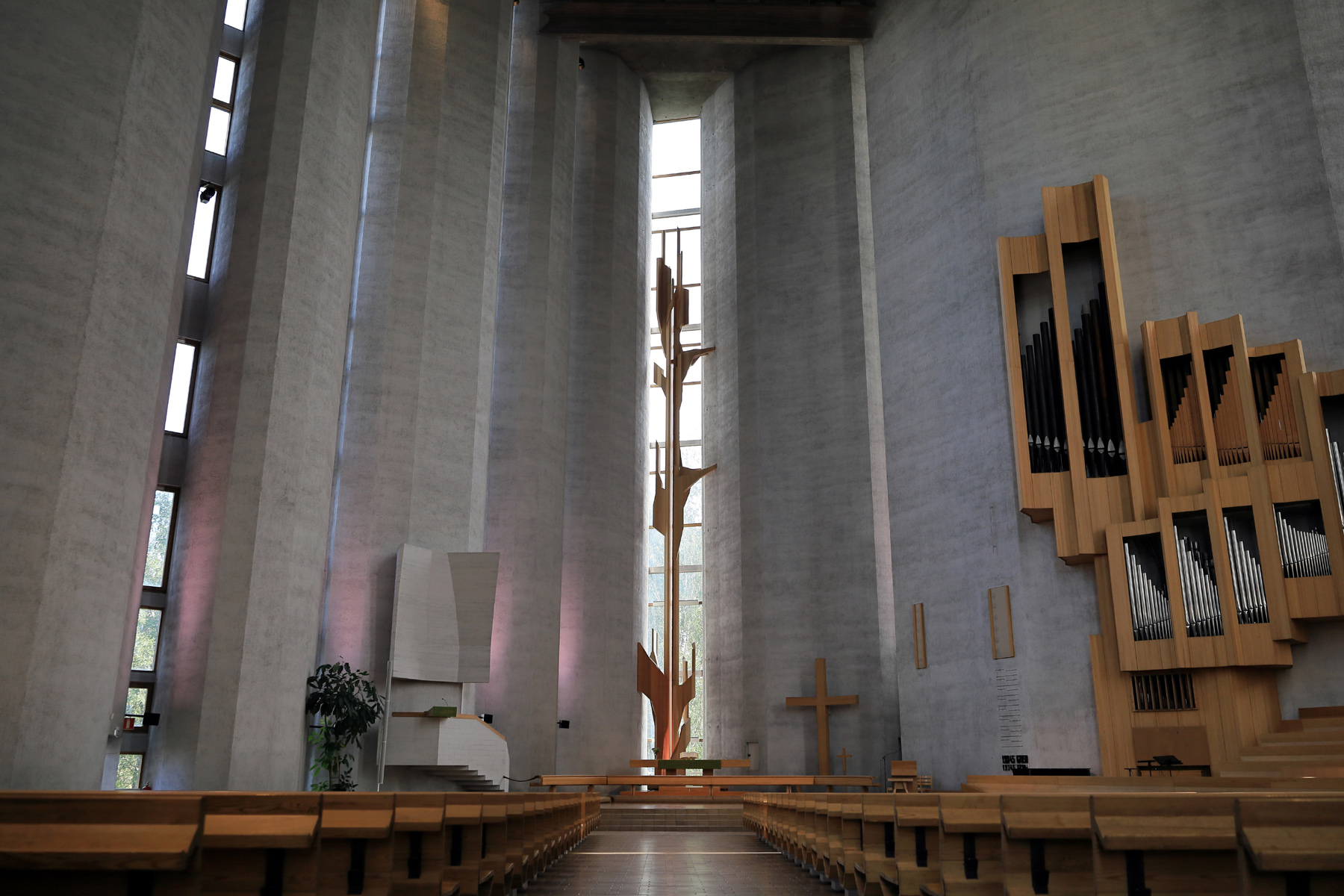
From the station Scarlett led an expedition of a dozen or so to the checkpoint, some 20 minutes away on foot. The Kaleva church looks like a housing estate from the outside, but I recognised the name from my architectural studies and knew the interior was much more impressive. A shame that we were the only racers to go in to see it!
Tampere to Tallinn
The others can be forgiven a sense of urgency: there was only an hour and fifteen minutes between the train in from Turku and the next one down to Helsinki. Miss that and it was not just a two hour delay to the Finnish capital, but likely a four hour one to the ultimate goal: Tallinn.
Despite lingering at the checkpoint – and then dashing through a supermarket for lunch supplies – we re-joined the group in time for our last train of the trip, direct to Helsinki. Unable to get reservations, we gambled on a pair of seemingly vacant Ekstra seats. Unfortunately we were turfed out by their rightful occupants with a minute to go, by which point there were no more to be found – in first or standard class. Thus we spent 80% of our final ride in the vestibule – not a glamorous end to the rail portion of the race!
Better things awaited us in Helsinki: were it not for our Viking line experience earlier, I’d probably declare the ferry to Tallinn the best leg of the trip. Helsinki West Terminal 2 is a modern delight, as was MyStar, our Tallink vessel for the short two hour crossing of the gulf of Finland. Again this felt more like a cruise ship than a ferry, with various dining and entertainment options. We, however, headed straight for the rear sun terrace, settling in to (literal) deck chairs to enjoy fresh air and sea views.
From Tallinn’s ferry terminal it would have been less than a quarter hour’s walk to the finish line… except the race organisers had snuck in one more detour. The last checkpoint, the Maarjamäe Memorial, was a few kilometres around the coast, for which we took a local bus. By sheer coincidence, already aboard was the couple we’d met in Prague and Berlin – except they had made their way to Tallinn via the Baltic Dash. We claimed the checkpoint together, but as they were continuing on to Finland, we adopted yet another group of participants for the final stage.
The race was officially over once we reached a specific set of GPS coordinates at the foot of the Linnahall, an Olympic venue long since fallen into disrepair. Not the most appealing of destinations in and of itself, but we were thrilled to have completed our epic journey. I’d put up a much better pace than last year – finishing a calendar day sooner, and covering more distance in less time. All told, we’d racked up just shy of 2500 miles, with over 51 hours in motion spanning eight countries. Exhausting, to be sure – but an experience I’d still totally recommend.

For even more detail of each step along the way, you can see our polarsteps logs. But I’ve also summarised each day’s progress below. Times shown are actual departure / arrival; where these differed from schedule, I’ve marked the delay or saving in minutes. Local travel within checkpoint cities is not included.
| Date | Route | Transport | Journey Time |
| Saturday 2nd August | 10:57 Herne Hill – London St Pancras 11:18 | Thameslink Standard Class | 21m |
| Saturday 2nd August | 15:04 London St Pancras – Brussels Midi / Zuid 18:10 +5 | Eurostar Standard | 2h06m +5 |
| Sunday 3rd August | 12:25 Brussels Midi / Zuid – Cologne Hauptbahnhof 14:32 | ICE315 DB First Class | 2h07m |
| Sunday 3rd August | 15:23 +28 Cologne Hauptbahnhof – Frankfurt (Main) Flughafen Fernbahnhof 16:13 +24 | ICE109 DB First Class | 50m -4 |
| Sunday 3rd August | 16:21 +20 Frankfurt (Main) Flughafen Fernbahnhof – Frankfurt (Main) Hauptbahnhof 16:33 +20 | ICE229 DB Standard Class | 12m |
| Sunday 3rd August | 17:27 +9 Frankfurt (Main) Hauptbahnhof – Dresden Hauptbahnhof 21:41 +2 | ICE1655 DB First Class | 4h14m -7 |
| Monday 4th August | 07:08 Dresden Hauptbahnhof – Prague Hlavní Nádraží 09:35 +12 | EC459 CD First Class | 2h27m +12 |
| Monday 4th August | 15:17 +44 Prague Hlavní Nádraží – Berlin Hauptbahnhof 19:50 +48 | EC172 MÁV First Class | 4h33m +4 |
| Tuesday 5th August | 09:39 +1 Berlin Hauptbahnhof – Hamburg Hauptbahnhof 12:21 +10 | ICE1604 DB First Class | 2h42m +9 |
| Tuesday 5th August | 13:43 Hamburg Hauptbahnhof – Flensburg 15:44 +4 | RE11168 DB First Class | 2h01m +4 |
| Tuesday 5th August | 16:05 Flensburg – Fredericia 17:31 +1 | IC5760 DSB First Class | 1h26m +1 |
| Tuesday 5th August | 17:56 Fredericia – København H 20:12 | IC50156 DSB First Class | 2h16m |
| Tuesday 5th August | 20:30 København H – Malmö Centralstation 21:10 | RE1130 DSB Second Class | 40m |
| Wednesday 6th August | 09:07 Malmö Central – Nässjö Central 11:02 +1 | Train 530 SJ Second Class | 1h55m +1 |
| Wednesday 6th August | 11:17 Nässjö Central – Tranås Station 11:44 | Train 27612 SJ Second Class | 27m |
| Wednesday 6th August | 11:55 Tranås station – Mjölby Station 12:15 | Train 18832 SJ Second Class | 20m |
| Wednesday 6th August | 13:00 Mjölby – Hästholmen 13:49 -11 | Bus | 49m |
| Wednesday 6th August | 16:12 Hästholmen – Anneborg 16:37 | Bus | 25m |
| Wednesday 6th August | 17:32 Anneborg – Mjölby Station 17:59 | Bus | 27m |
| Wednesday 6th August | 18:25 Mjölby Station- Norrköping Central 19:29 +17 | Train 8756 SJ Second Class | 1h04m +17 |
| Thursday 7th August | 12:34 Norrköping Central – Stockholm Central 14:18 | Train 232 SJ Second Class | 1h44 |
| Thursday 7th August | 19:35 (boarded) Stockholm Stadsgården – Turku 07:35 (Friday) | Viking Line, Inside Double | 12h |
| Friday 8th August | 08:13 +3 Turku Port – Tampere 10:45 -2 | IC909 VR First Class | 2h32m -5 |
| Friday 8th August | 12:00 Tampere – Helsinki 12:38 -1 | IC22 VR |
1h38 -1 |
| Friday 8th August | 16:30 Helsinki West Harbour – Tallinn 18:30 | Tallink, Star Class | 2h |
35h35m on 20 trains, 1h41 on 3 buses, 14h on 2 ferries |
|||